

Bed Rails
RONGPY– One-Stop Solution Bed rails Manufacturer
As a trusted and experienced bedding supplies manufacturer in China, RONGPY specializes in producing high-quality, durable products designed to meet a wide range of needs. Our main products include disposable bed pads, washable bed pads, mattress pads, bed rails and other protective bedding solutions. Our products are crafted from superior materials, offering exceptional absorbency, comfort, and reliability for hospitals, nursing homes, and home care settings. Contact us today to get a free quote or to learn more about our wide range of bed pads.
-
![Extendable Bed Guard]() Extendable Bed GuardThe extendable bed guard can be foldable to flat for easy storage, and can use with straps for convenient use.read more
Extendable Bed GuardThe extendable bed guard can be foldable to flat for easy storage, and can use with straps for convenient use.read more -
![Mesh Bed Guard]() Mesh Bed GuardThis mesh bed guard has 30 gears adjustable height, which can be adjusted in the range of 70-98 cm, suitable for most kinds of mattresses.read more
Mesh Bed GuardThis mesh bed guard has 30 gears adjustable height, which can be adjusted in the range of 70-98 cm, suitable for most kinds of mattresses.read more -
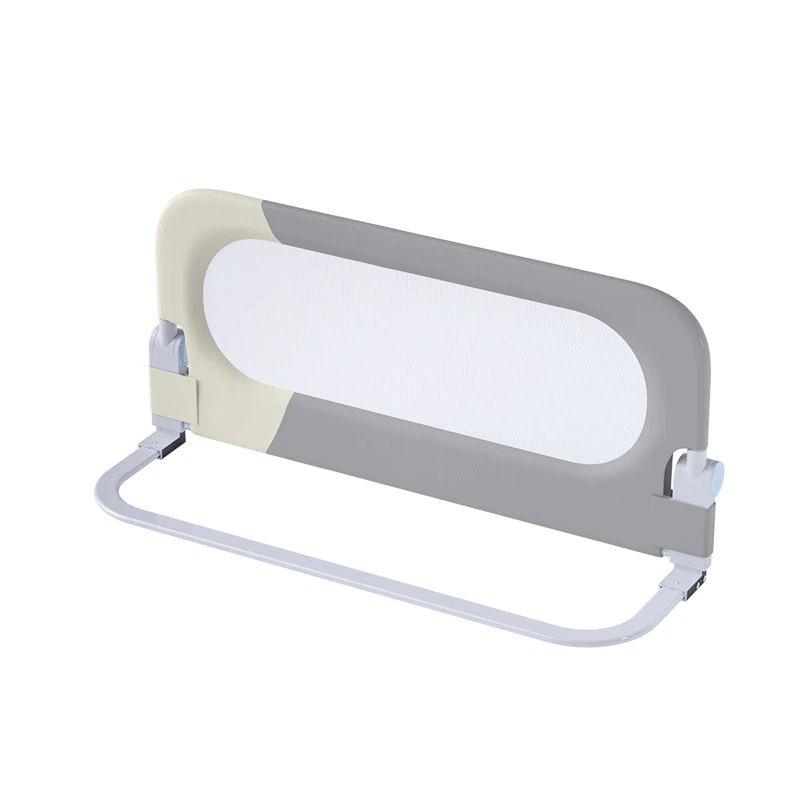
![Bed Fall Guard]() Bed Fall GuardDesigned with a large U-shaped base, the bed fall guard increases the force area and improve stability. Protect your baby from having a fall as it’s very common for them. This is something that...read more
Bed Fall GuardDesigned with a large U-shaped base, the bed fall guard increases the force area and improve stability. Protect your baby from having a fall as it’s very common for them. This is something that...read more -
![Mesh Guard Rail For Bed]() Mesh Guard Rail For BedSafeguard your child's sleep with mesh guard rail for bed, where safety meets adaptability. This bed guard rail features adjustable height and sturdy frame instructure for the ultimate protection...read more
Mesh Guard Rail For BedSafeguard your child's sleep with mesh guard rail for bed, where safety meets adaptability. This bed guard rail features adjustable height and sturdy frame instructure for the ultimate protection...read more -
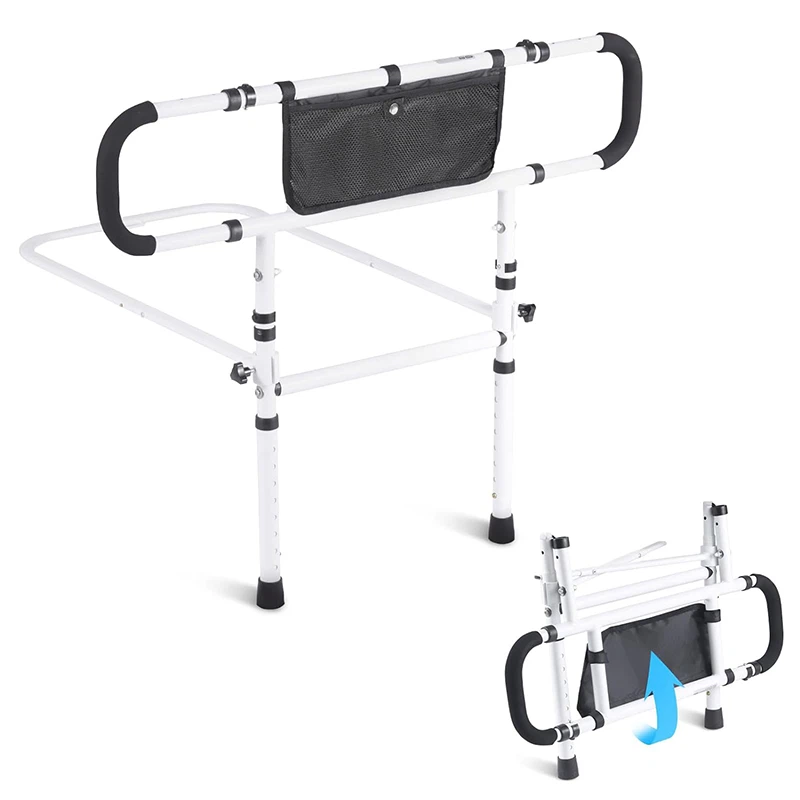
![Bed Safety Side Rails]() Bed Safety Side RailsA bed safety side rail is made with sturdy steel frame with 2 supporting legs, a fastening strap, and a removable storage bag offering solid stability. It's a great aid for elderly, individuals...read more
Bed Safety Side RailsA bed safety side rail is made with sturdy steel frame with 2 supporting legs, a fastening strap, and a removable storage bag offering solid stability. It's a great aid for elderly, individuals...read more -
![Elderly Bedside Rail]() Elderly Bedside RailA One-stop Manufacturer of Bedside Rails Shenzhen Rongpy Co, Ltd is specialized in producing and selling various kinds of hygiene products. Our main products include incontinence bed pads,...read more
Elderly Bedside RailA One-stop Manufacturer of Bedside Rails Shenzhen Rongpy Co, Ltd is specialized in producing and selling various kinds of hygiene products. Our main products include incontinence bed pads,...read more -
![Adjustable Bed Guard]() Adjustable Bed GuardAdjustable bed guard features a sturdy carbon steel construction, complete with two supporting legs, a U-shaped bracket, and a secure fastening strap, supporting up to 450lbs.read more
Adjustable Bed GuardAdjustable bed guard features a sturdy carbon steel construction, complete with two supporting legs, a U-shaped bracket, and a secure fastening strap, supporting up to 450lbs.read more -
![Bed Side Guard For Adults]() Bed Side Guard For AdultsFeatures free assembly, non-slip handle, large storage pouch and U-shape design, the bed side guard for adults is suitable for all types of beds.read more
Bed Side Guard For AdultsFeatures free assembly, non-slip handle, large storage pouch and U-shape design, the bed side guard for adults is suitable for all types of beds.read more -
![Mattress Guard Rail]()
-
![Baby Bed Fence]() Baby Bed FenceThe one-side independent lifting design brings great convenience for kids to get in and out of bed. Simply turn the button counterclockwise, press and push it downwards.read more
Baby Bed FenceThe one-side independent lifting design brings great convenience for kids to get in and out of bed. Simply turn the button counterclockwise, press and push it downwards.read more -
![Bed Rails for Sleep]() Bed Rails for SleepBed guard rails are designed to keep infants/babies safe from falling out of bed while they sleep, making the transition from a cot to a bed much easier.read more
Bed Rails for SleepBed guard rails are designed to keep infants/babies safe from falling out of bed while they sleep, making the transition from a cot to a bed much easier.read more -
![Bed Side Barrier Guard]() Bed Side Barrier GuardThe toddler bed rail guard is designed to prevent infants and toddlers from accidentally rolling or falling out of bed while sleeping. It is foldable and can be swing down for easy getting in and...read more
Bed Side Barrier GuardThe toddler bed rail guard is designed to prevent infants and toddlers from accidentally rolling or falling out of bed while sleeping. It is foldable and can be swing down for easy getting in and...read more


Understanding Bed Rails: What They Are and Why They Matter
Bed rails are essential safety devices commonly used in homes, hospitals, and care facilities to provide support and protection for people while in bed. Especially for older adults or individuals with mobility issues, bed rails can offer added safety, independence, and comfort. We'll tell you more details about bed rails in the following aspects: what bed rails are, the different types available, their benefits, and some important considerations for choosing and using them.
What is Bed Rails?
A bed rail, also known as a bed assist rail or bed guard, is a supportive aid that is used for added stability when sitting down on or standing up from the bed, or for transferring from a wheelchair to and from the bed, or as an assistive aid to prevent someone from rolling out of bed. It can also used to assist with moving, rolling, or repositioning in bed. Bed rails come in various styles, sizes, and materials, making them suitable for different needs and preferences.
Types of Bed Rails
Bed Rails With Legs
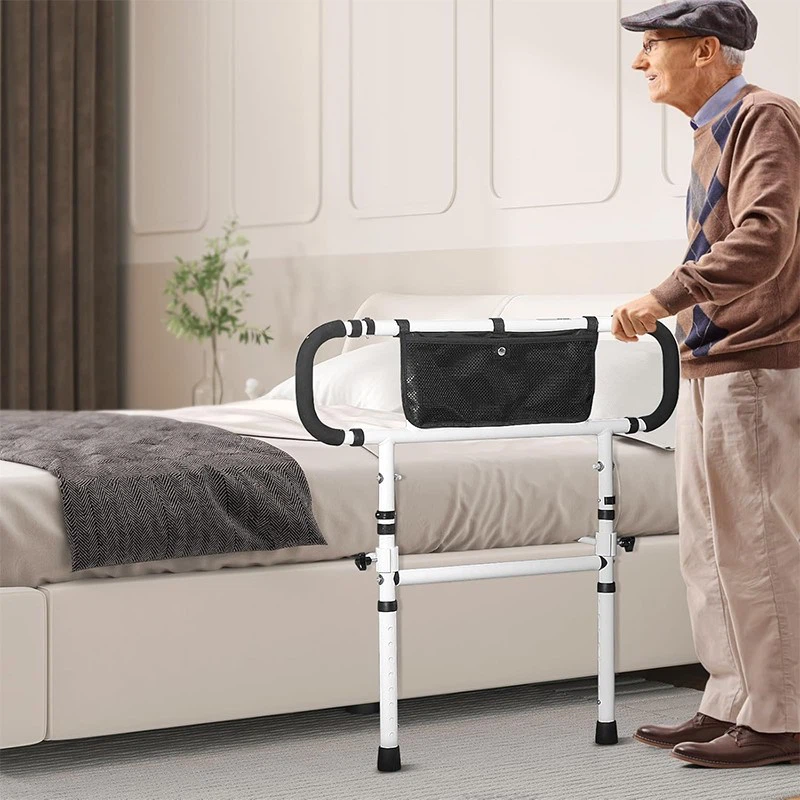
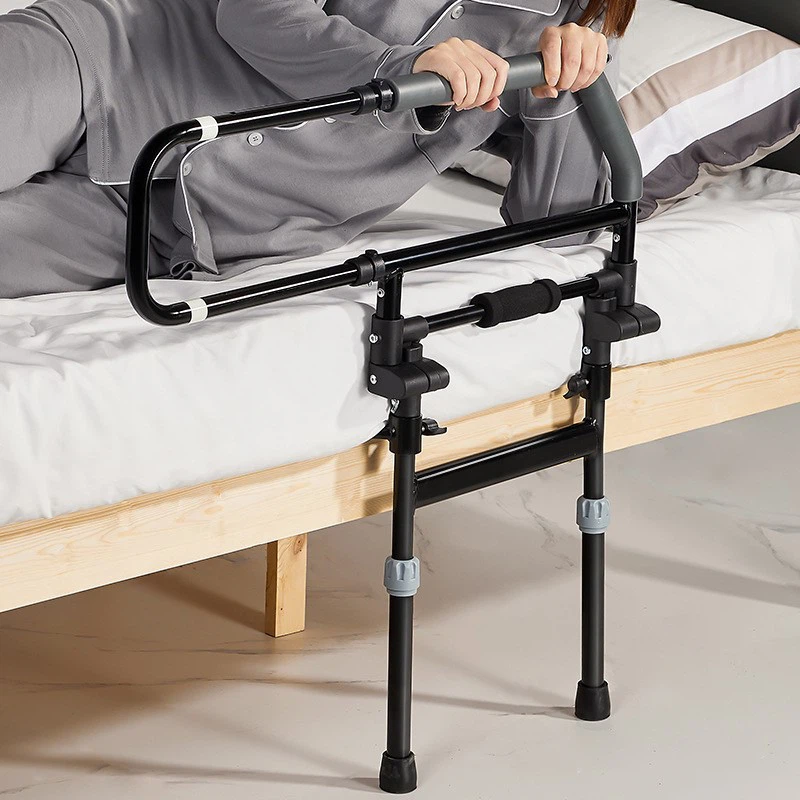
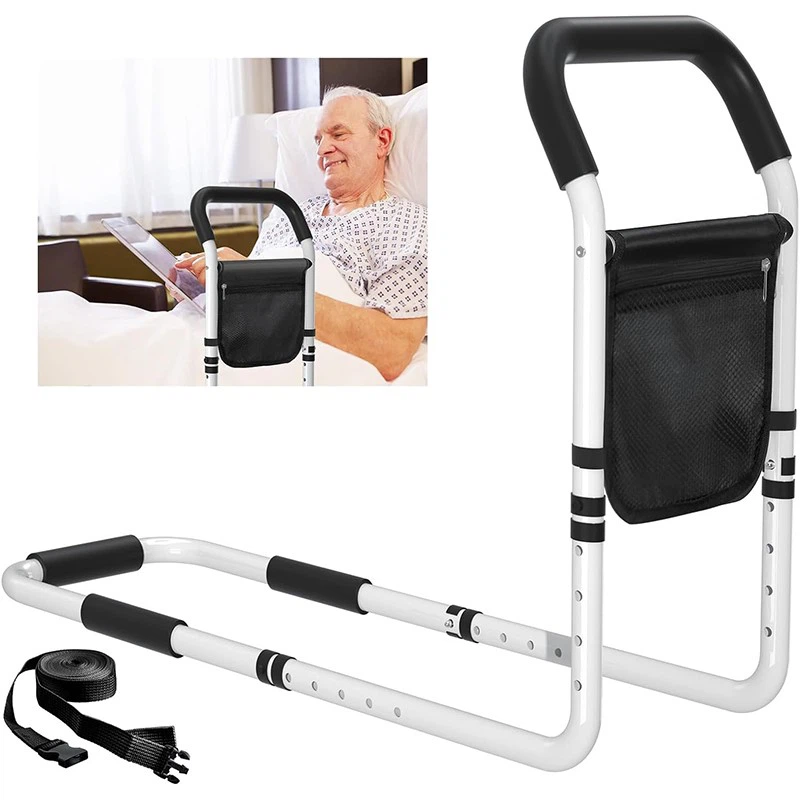
This type of bedrail has two vertical legs that stand on the floor. When a user stands up and exerts pressure on the bedrail, the weight is transferred down through the legs to the floor. It is further equipped with a horizontal rail or board that slips between your mattresses. The weight of the mattress helps stabilize the bed rail and hold it in place. This kind of bedrail is a good consideration if you are able to walk and just need a little extra “oomph” to get up.
Legless Bedrails
No surprise here, a legless bedrail is just a bedrail with no legs. It has an L-shaped design: The longer side of the rail slips in between the mattresses and the shorter side extends vertically upwards providing a supportive handhold. Because the rail is stabilized by the weight of your mattress, this type generally works best when it is being stabilized by a heavy, queen or king-sized mattress. If you have a lightweight, single, or twin-sized mattress, be aware that when you exert pressure down on a legless bed rail, it could cause the mattress to lift up and the rail to tilt forwards,which is not ideal!
Bed Rail Handles
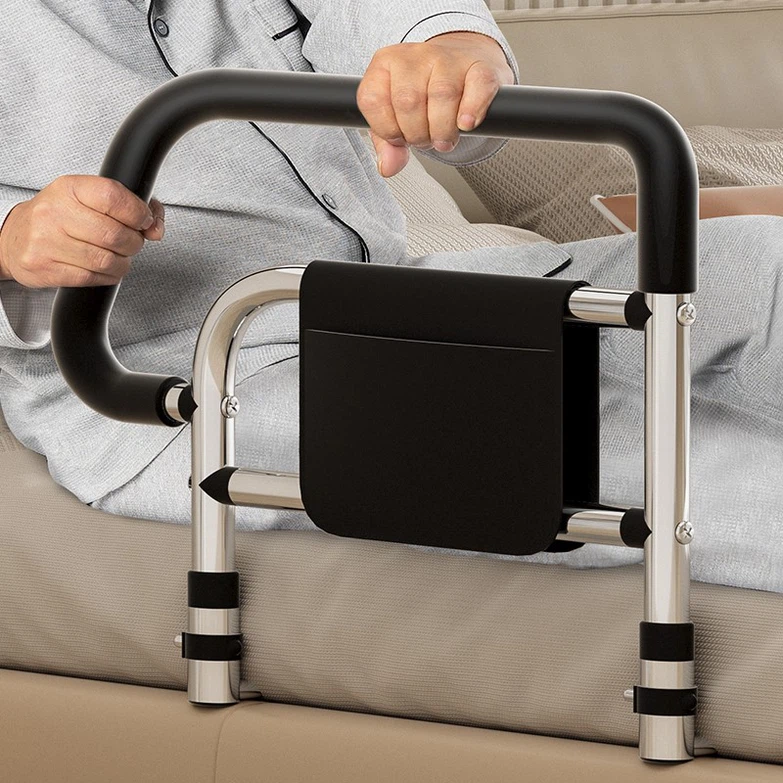
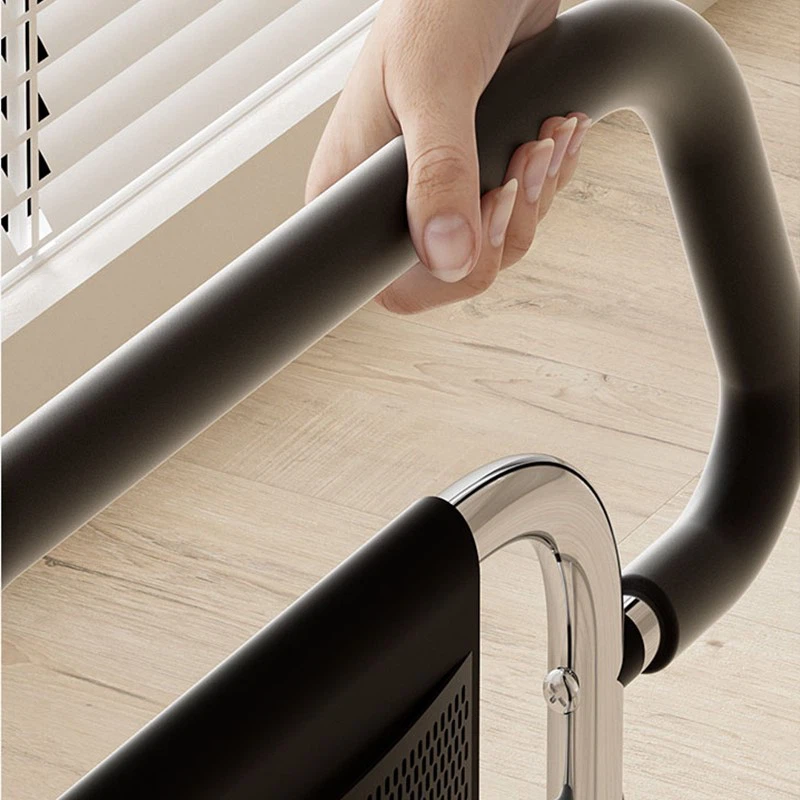
Bed Rail Handles take up less space and usually have a sleeker more low profile appearance. Some models are designed for use with standard beds and others for use with hospital beds. Due in part to their narrow design and the fact that models are often secured in place by only a single fixed point, a Bed Handle may wiggle a bit when being used for support.
Bed Rails With Cross Bars
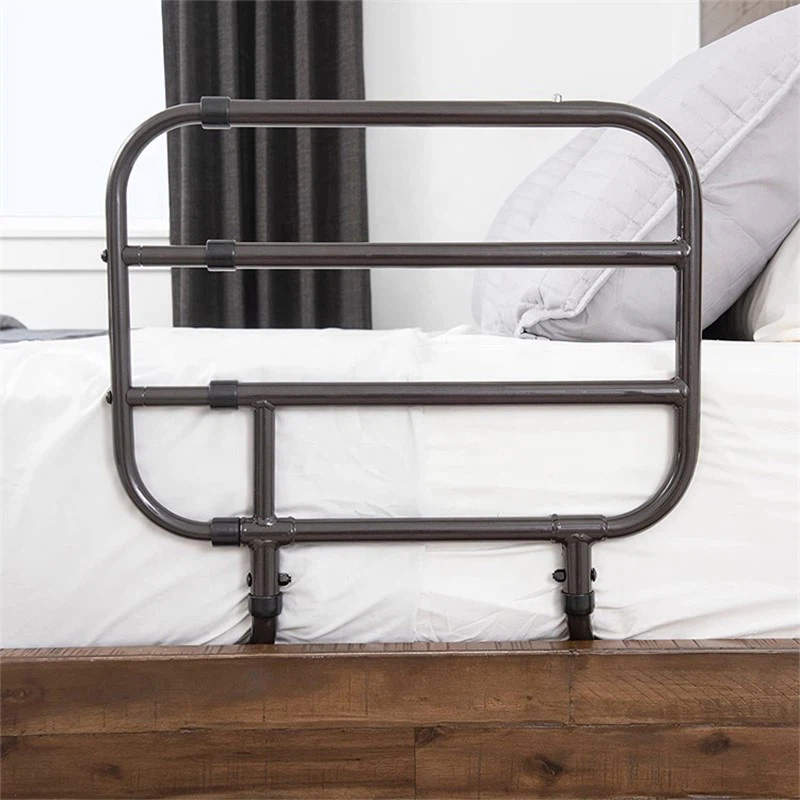
Bed rails equipped with multiple horizontal cross bars provide three helpful benefits: extra handholds for use when rolling in bed, different rail heights to select from to push yourself up to standing, and when they are designed correctly they can assist to prevent entrapment or suffocation from.

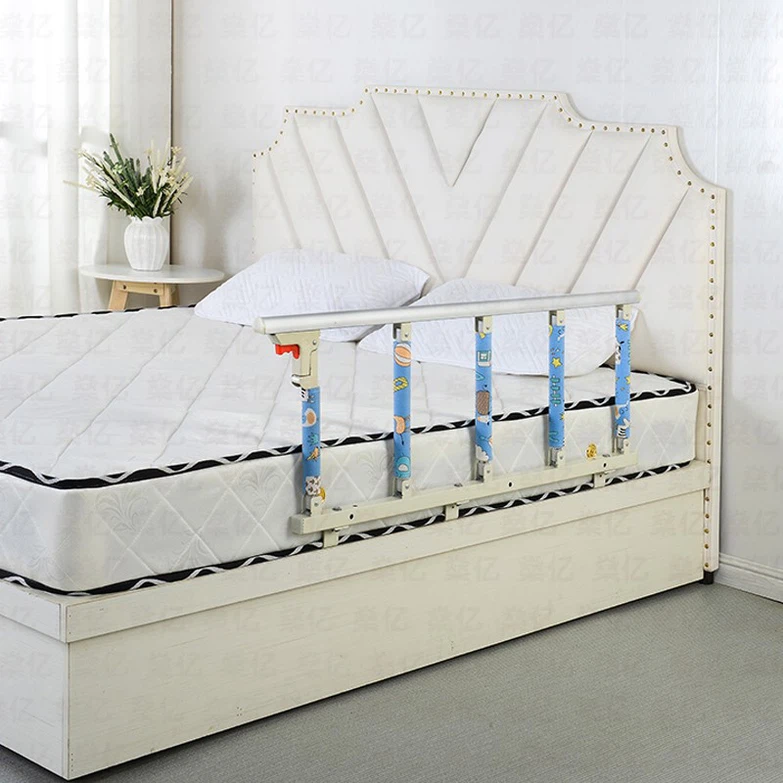
Fold Down Bed Rails
This type of bed rail (aka Swing Down Bed Rail) easily folds down out of the way to allow for easy, unimpeded access to the bed. Heads up! These rails swing ‘outwards’ and down, so for this type of bed rail to work, there must be adequate free space beside your bed to swing the rail down and up. This type is a good consideration if a second person will be present to assist. If your intent is to use it independently, keep in mind: You must have the skills to be able to reach down and swing the rail back up after you are on the bed. Two notable benefits: It makes it possible to sit down closer to the top of the bed (preventing the need to wiggle yourself up the bed further after you lie down) and makes it easier to position a wheel tray table by the bed, if you eat meals in bed.
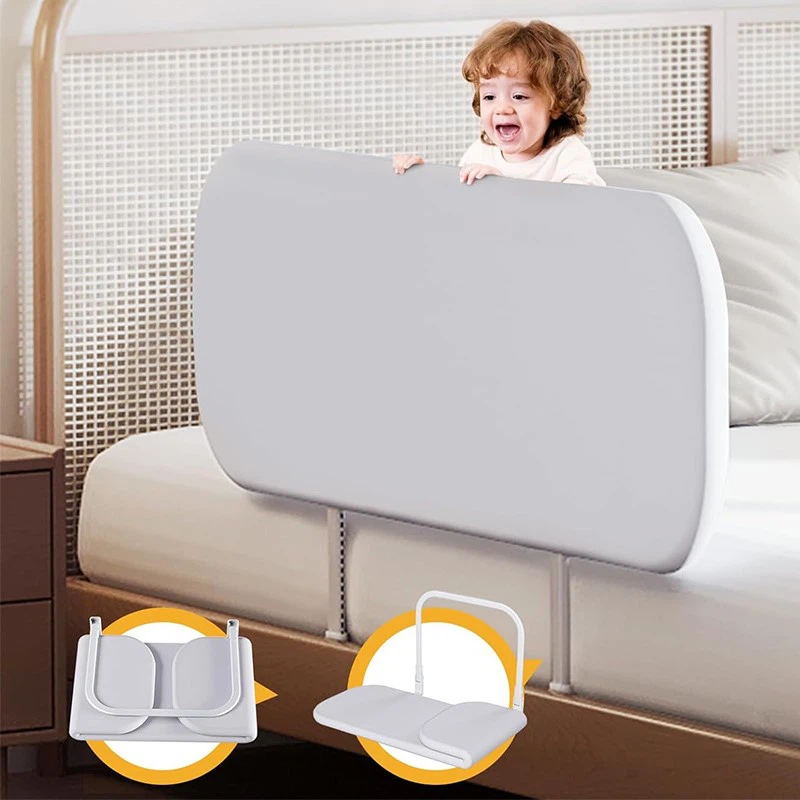
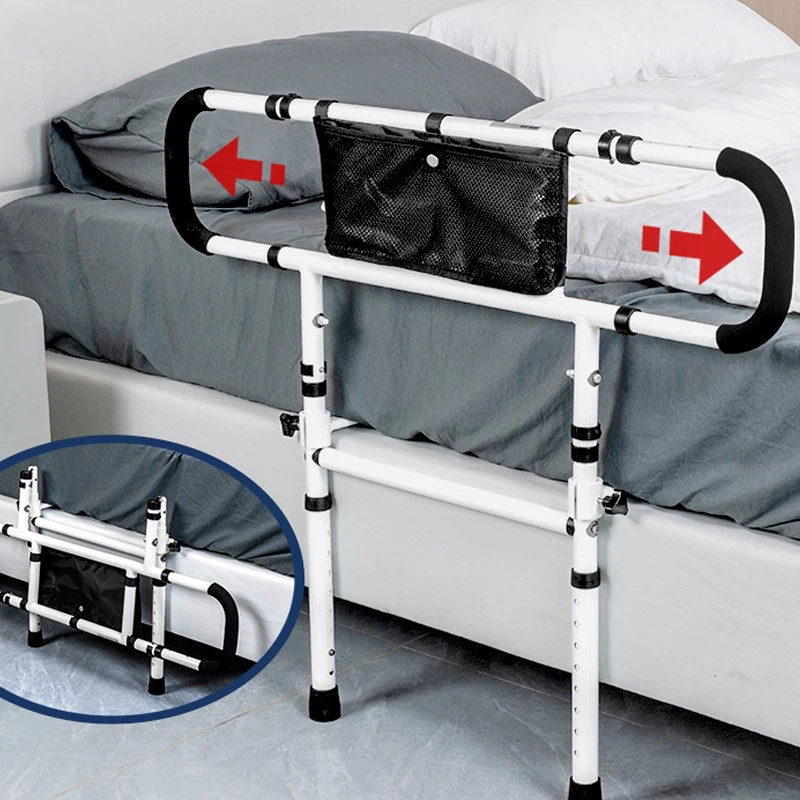
Adjustable Height Bed Rails
Bed Rail models equipped with an adjustable height handle are more versatile and will allow you to experiment with different heights to determine which grip height works best for you. They can be found in both legless styles and models with legs that extend to the floor.

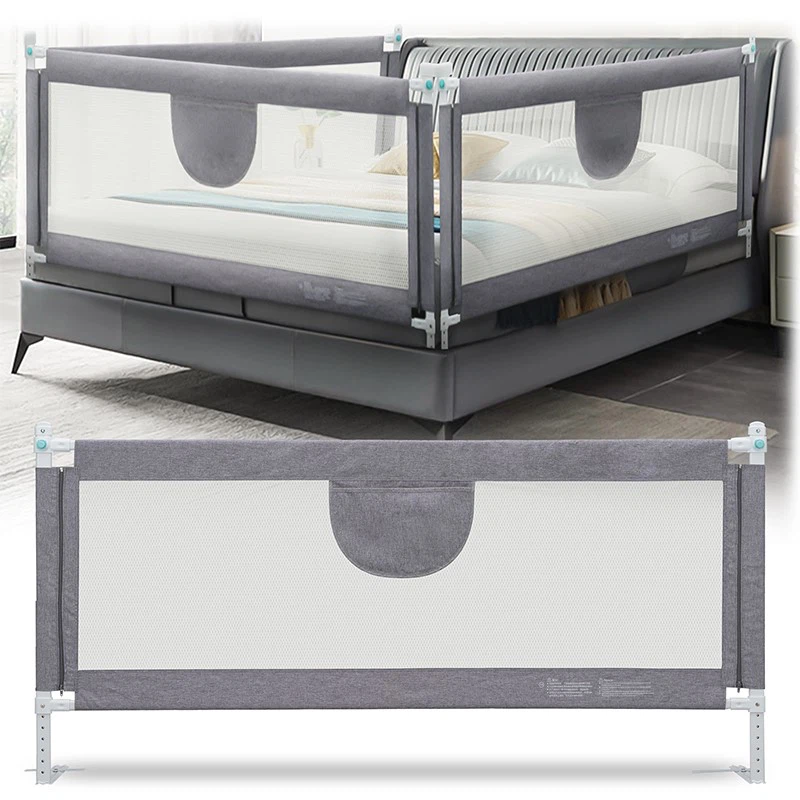
Adjustable Length Bed Rails
Some bed rails have a telescoping rail that slides back and forth horizontally, providing you with the option to lengthen it when you are in bed and to shorten it when you are ready to transition into and out of the bed. This type is a good consideration if you have a tall bed and want a physical cue to help prevent yourself from rolling unexpectedly out of bed and/or you would benefit from an extra hand hold for some “oomph” when you are standing up.
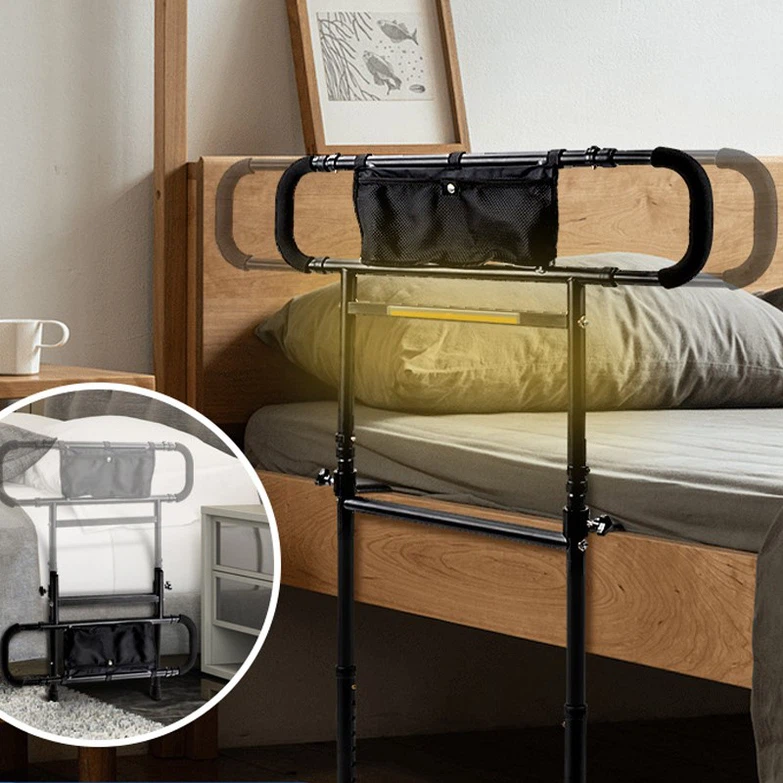
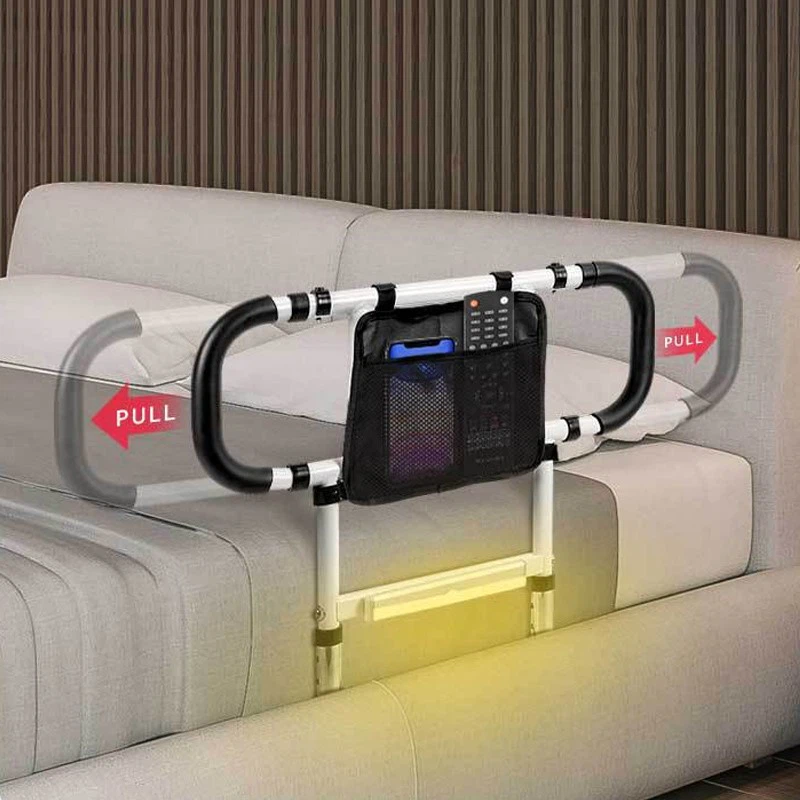
Dual Bed Rails
As the name implies, a Dual Bed Rail is simply 2 bed rails (aka Double Sided Bed Rail). One rail gets installed on either side of the bed. Cross bars resting underneath the mattress join the two rails together, assisting to hold the rails more firmly and securely in place. Dual Bed Rails come in both half and full-length styles and can be found in different sizes to suit different mattress widths. The half-length models are a good consideration if you share the bed with a spouse and both of you would benefit from a bedrail for support.
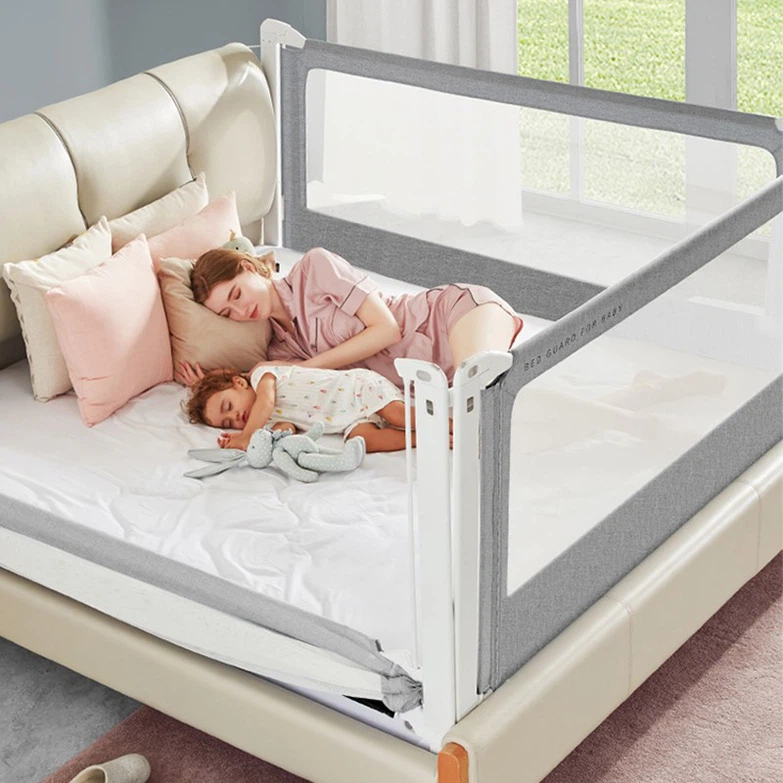

Benefits of Safety Bed Rails
Fall prevention
Bed rails can help prevent falls, particularly in seniors or people with mobility issues who are at a higher risk of falling out of bed. This can reduce the risk of injury, particularly if the individual has osteoporosis or other conditions that increase their risk of fractures.
Increased independence
Bed rails can provide support for people who have difficulty getting in and out of bed, allowing them to be more independent and self-sufficient. This can help boost their confidence and overall well-being.
Enhanced comfort
Bed rails can provide a sense of security and comfort, particularly for people who may be anxious or disoriented at night. They can help individuals feel more comfortable and relaxed, leading to better sleep quality and overall health.
Improved caregiving
For caregivers, bed rails can make it easier to assist their loved ones with getting in and out of bed or repositioning them during the night. This can reduce the risk of injury to both the caregiver and the individual they are caring for.
Bed rails come in a variety of styles and designs, with different features that can provide additional safety and convenience. Here are some common features of bed rails:
Adjustable height: Many bed rails are adjustable in height, allowing them to be customized to fit the specific needs of the individual. This can be particularly useful for people who are taller or shorter than average.
Padded handles: Some bed rails feature padded handles, which can provide additional comfort and support for the individual. They can also help reduce the risk of injury from accidental bumps or falls.
Locking mechanisms: Bed rails may include locking mechanisms that help keep them securely attached to the bed frame, reducing the risk of accidental detachment.
Folding design
Some bed rails are designed to fold down or out of the way when not in use, making it easier to get in and out of bed or to change the sheets.
Compatibility with different bed frames
Bed rails are available in different sizes and designs, making it possible to find a model that fits a wide range of bed frames and mattress sizes.
Easy installation
Many bed rails are designed to be easy to install and remove, making it simple for caregivers to set them up or adjust them as needed.
Safety Considerations When Using Bed Rails
While bed rails are designed for safety, improper use can lead to accidents. It’s essential to follow some guidelines to ensure they are used correctly.
Weight Capacity: Confirm the bed rail's weight capacity is suitable for your needs.
Bed Type: Be Aware! Not all bed rails work on motorized beds with height adjustable head and foot. Conversely not all rails that work on motorized or hospital-style bed frames will work on residential beds. So, it is important to confirm the bed rail you have selected is suitable for your type of bed.
Mattress Width: Verify that it is designed to work with your mattress size: Twin, Full, Queen, or King.
Bed Rail Handle Height: Some bed rail handles are height adjustable, while others come with one fixed height. Either way it is important to confirm that it achieves the height you need. (See tips at end for choosing the bed rail height.)
Horizontal Cross Bar Height: Are you considering a bed rail model with two legs and a horizontal rail that slips between the mattresses? If so, measure from the floor up to the gap present between your mattress and the box springs. Confirm the bedrail’s leg length (distance from the horizontal bar to the bottom of the bed rail’s feet) will work with your bed.
Full Length vs. Half Length Bed Rails: A full length rail is best for someone who has a tendency to roll out of bed, or for people who have an alternating pressure air mattress that assists with turning them from side to side. A half length bed rail attaches to the head of the bed and allows someone who is independent to swing their legs over the edge and use the rail to push themselves up to standing.
Strapping Mechanism: Many portable-style bedrail models include a strap that attaches to the rail and then gets secured to the bed frame. This is beneficial to help hold the bedrail more securely in place.
Bed Rail Covers: Some models come equipped with a cover that includes pockets, providing a nice place to store your phone, remote control etc. Slipcovers with pockets can also be purchased separately and added to an existing bed rail.
Who Should Use Bed Rails?
Bed rails can benefit various individuals, including:
As people age, they may experience reduced balance, strength, and mobility. Bed rails can provide the support needed to safely get in and out of bed, and they help prevent accidental falls during the night.
People recovering from surgery or illness may have temporary limitations in movement. Bed rails can help them feel more secure and allow for easier movement in bed.
For those with physical disabilities or conditions that affect mobility, such as arthritis or Parkinson's disease, bed rails can offer stability and support.
For caregivers, having bed rails installed can reduce the risk of injury when assisting someone in and out of bed, making caregiving tasks safer and easier.
How to Choose the Right Bed Rail
When selecting a bed rail, consider the following factors to ensure you choose the best option for your needs.
Purpose: Determine whether the bed rail is needed for fall prevention, mobility support, or both. This will help you choose the appropriate style (full-length, half-length, etc.).
Bed Type: Make sure the bed rail is compatible with the type of bed being used. Some bed rails may not work well with certain types of beds, such as platform beds or adjustable beds.
Weight Capacity: Check the weight limit of the bed rail to ensure it can safely support the person using it.
Ease of Installation: Some bed rails are easier to install than others. Portable or adjustable rails are usually more convenient, especially if you need to remove or adjust them frequently.
Material and Durability: Choose a bed rail made from sturdy materials like steel for long-term use, or lighter materials like aluminum if portability is a priority.
Conclusion
Bed rails are valuable tools that provide safety, support, and comfort for people who need help with mobility or preventing falls. By understanding the different types of bed rails, their benefits, and how to use them safely, you can choose the best option to meet your needs or those of a loved one. Whether for home use or in a healthcare setting, proper bed rail care and selection can make a big difference in enhancing daily life and promoting independence.
FAQ
We're well-known as one of the leading bed rails manufacturers and suppliers in China. If you're going to buy high quality bed rails made in China, welcome to get more information from our factory.
crib mattress protector waterproof, quilted mattress topper, super soft mattress topper