

Nursing Recommendation
Recommended Nursing Supplies for Bedridden Patients/ Elderly/ Pregnant Women
In mid - April this year (2020), my aunt was hospitalized for more than two month due to a cerebral hemorrhage. Fortunately, she woke up. According to the doctor, it was a miracle that she could wake up. Later, she gradually got out of the unstable period. During that time, my sister and I took turns to watch by the hospital bed. Every day, looking at the unstable heart rate on the machine and not being able to sleep well was really a torment.
More than two months later, my aunt was discharged from the hospital and recovered gradually at home while lying in bed. It was easier to take care of her at home at least. But taking three doses of medicine a day, eating liquid food, massaging hands and feet, changing nursing pads, etc. was also very tiring. From the very beginning when my aunt had a gastric tube inserted, to two weeks later when she was reexamined and the gastric tube was removed and she slowly recovered. During this period, we bought a lot of nursing supplies, including nursing pads, cotton swabs, wet wipes, etc.
Here, we recommend some useful and necessary nursing stuff for your reference.
1. Nursing Bed for Home Use
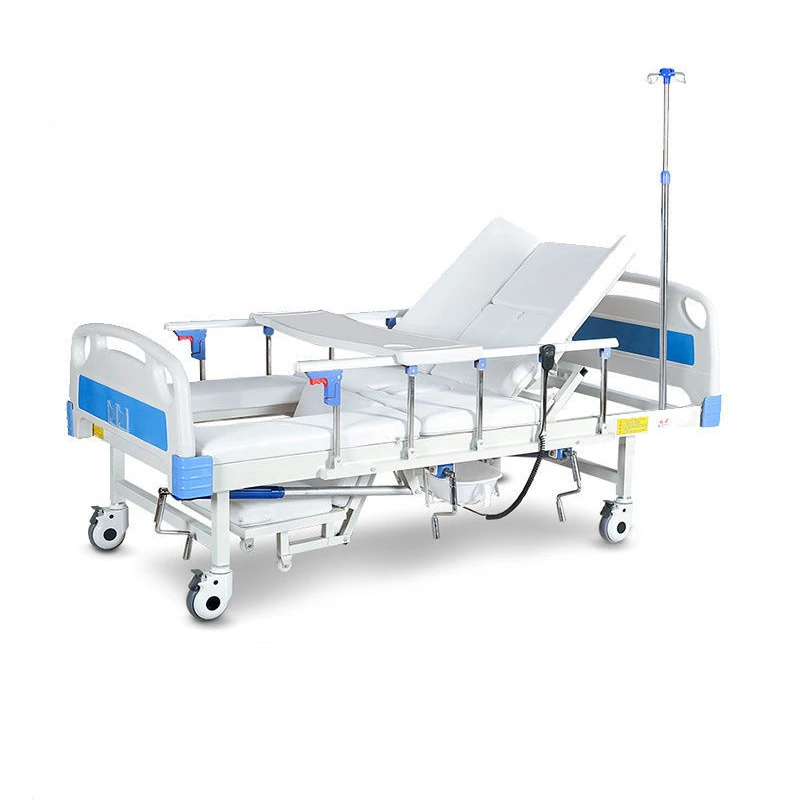
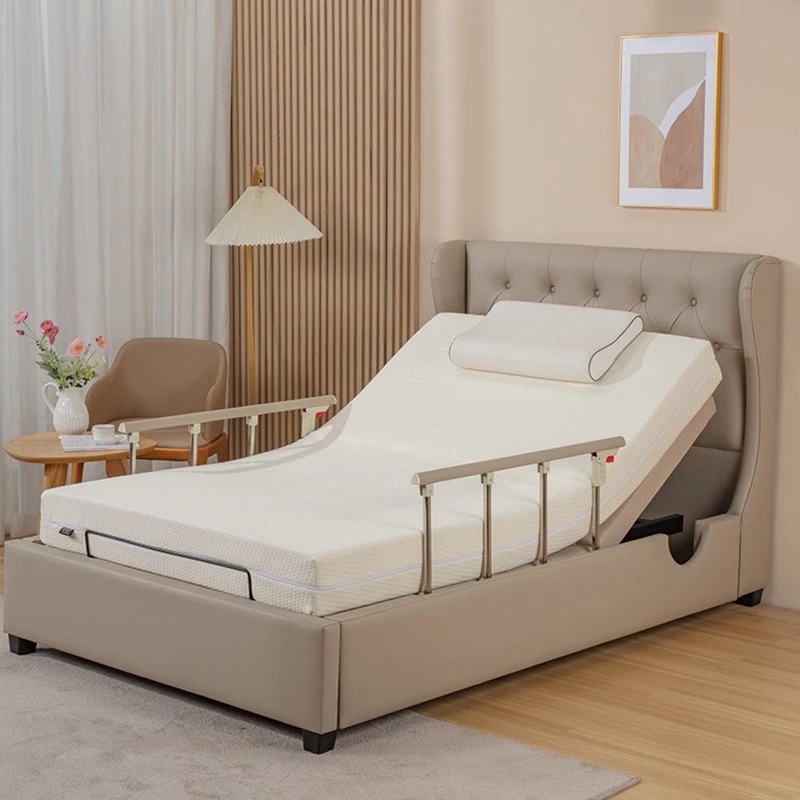
A nursing bed is a specialized medical device designed for patients who are bedridden for long periods, elderly individuals with limited mobility, or those recovering from surgery. It is widely used in home care, nursing homes, and hospitals. Nursing beds not only make care easier for caregivers but also significantly improve the comfort and quality of life for patients.
Functions of a Nursing Bed
- Enhances Care Efficiency
Nursing beds are usually equipped with adjustable height, backrest angles, and leg tilt options, allowing caregivers to easily modify the bed's position based on the patient's needs. This reduces physical strain on the caregivers and makes it safer and easier to perform tasks like repositioning, feeding, and cleaning the patient.
- Reduces Patient Discomfort
Patients who are bedridden for long periods are at risk of developing bedsores, muscle stiffness, and other complications. The multi-functional adjustment system of nursing beds helps patients change their position, reducing prolonged pressure on the skin, promoting blood circulation, and preventing bedsores and other issues.
- Aids in Rehabilitation Training
Some nursing beds come with rehabilitation features, such as manual or electric lift devices, which help patients gradually regain strength by enabling simple movements for their legs, back, and other body parts, supporting their recovery process.
- Enhances Safety
Nursing beds typically include side rails, lockable wheels, and other safety features to prevent patients from falling or the bed from moving unexpectedly, ensuring the patient's safety during bed activities. Some advanced nursing beds also come with emergency call buttons, allowing patients to quickly call for assistance when needed.
- Eases Psychological Burden
Due to the comfort and functionality of nursing beds, patients can more independently engage in daily activities such as reading, eating, and interacting with family members, reducing their dependence on caregivers and improving their mental well-being and overall quality of life.
Benefits of a Nursing Bed
- Improves Quality of Life
Nursing beds not only provide a comfortable sleeping environment but also help patients adjust their positions to reduce discomfort, ensuring a better quality of life for those who are bedridden for extended periods.
- Reduces Caregiver Strain
With the electric functions of nursing beds, caregivers no longer need to manually adjust the patient's position frequently. This significantly reduces the workload and makes the care process easier and more efficient.
- Facilitates Daily Care
Nursing beds are designed with special features such as built-in bedpans and space for cleaning underneath the bed, making it easier to meet the patient's daily care needs without the hassle of frequently moving them.
- High Flexibility
Nursing beds can be customized and adjusted according to the patient's specific needs, offering high flexibility and versatility to suit different care requirements, making them useful in various care settings.
Conclusion
Nursing beds are not only invaluable tools for caregivers but also essential equipment for improving patients' quality of life. By combining ergonomic design with intelligent features, they offer a more comfortable, safe, and convenient care experience, making them ideal for use in homes, nursing facilities, and healthcare institutions.
2. Bed Pads
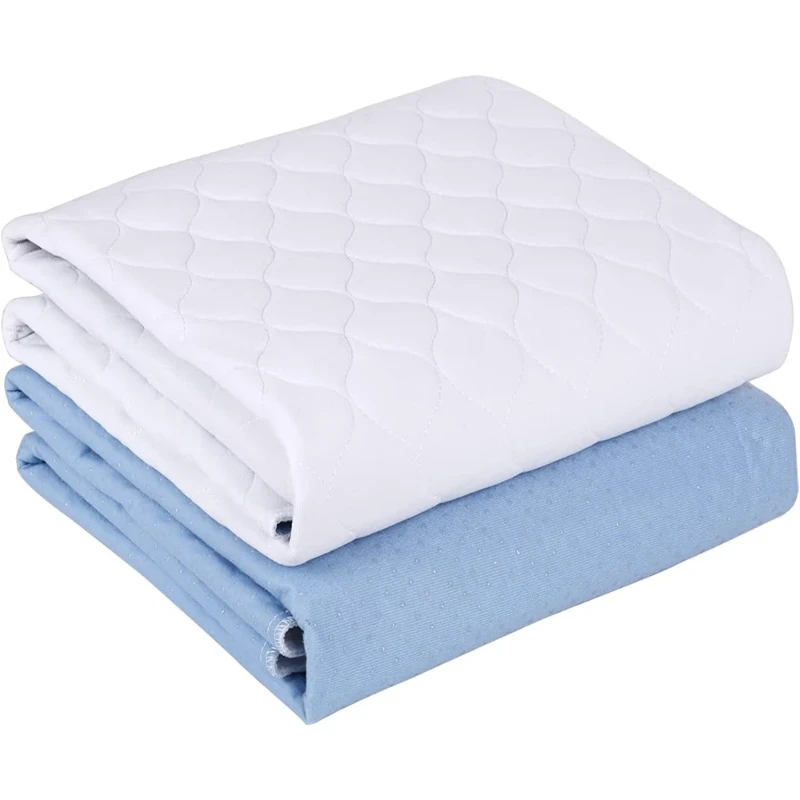
A nursing pad, also known as an incontinence pad, is a vital tool used for managing bodily fluids in patients who may suffer from incontinence, are bedridden, or need extra protection during recovery. Nursing pads are widely used in hospitals, nursing homes, and home care, providing comfort, hygiene, and protection for both patients and caregivers.

Types of Nursing Pads
- Disposable Nursing Pads
These are designed for single-use, making them a convenient option for caregivers. They are highly absorbent and are often lined with waterproof materials to prevent leakage. Disposable nursing pads are widely used in hospitals and care facilities due to their ease of use and sanitary benefits.
- Reusable Nursing Pads
Reusable bed pads are made from washable, absorbent fabrics that can be used multiple times. These pads are eco-friendly and more cost-effective for long-term care situations, as they can be washed and reused after each use.
Sizes of Nursing Pads
Nursing pads come in various sizes to meet different needs:
- Small (30 x 45 cm): Suitable for use on chairs, car seats, or for localized protection.
- Medium (60 x 60 cm): Commonly used in hospital beds and home care settings, offering adequate protection for larger areas.
- Large (80 x 150 cm): Designed for full bed coverage, providing protection for mattresses, especially for patients who are bedridden or have severe incontinence.
Functions of Nursing Pads
- Absorption and Protection
Nursing pads are designed to absorb bodily fluids such as urine, sweat, or other discharge, ensuring that the patient's skin remains dry and protected. This helps to prevent skin irritation, rashes, and bedsores, which are common issues for patients who are immobile or bedridden.
- Hygiene and Comfort
Nursing pads help maintain hygiene by keeping bedding, furniture, and patients clean. They provide a layer of protection against wetness, enhancing the comfort of the patient and reducing the need for frequent linen changes, which can be labor-intensive.
- Convenience for Caregivers
Nursing pads make caregiving easier by offering a practical solution for managing incontinence. By reducing the frequency of bed or mattress cleaning, they save time and energy for caregivers, ensuring a cleaner and more comfortable environment for patients.
Conclusion
Nursing pads are essential tools for both patient care and hygiene maintenance. With various types and sizes available, they offer versatility in managing incontinence and protecting bedding, furniture, and patients from moisture. Whether disposable or reusable, nursing pads play a crucial role in improving the comfort and well-being of patients, while also simplifying care routines for caregivers.
3. Bed Rails
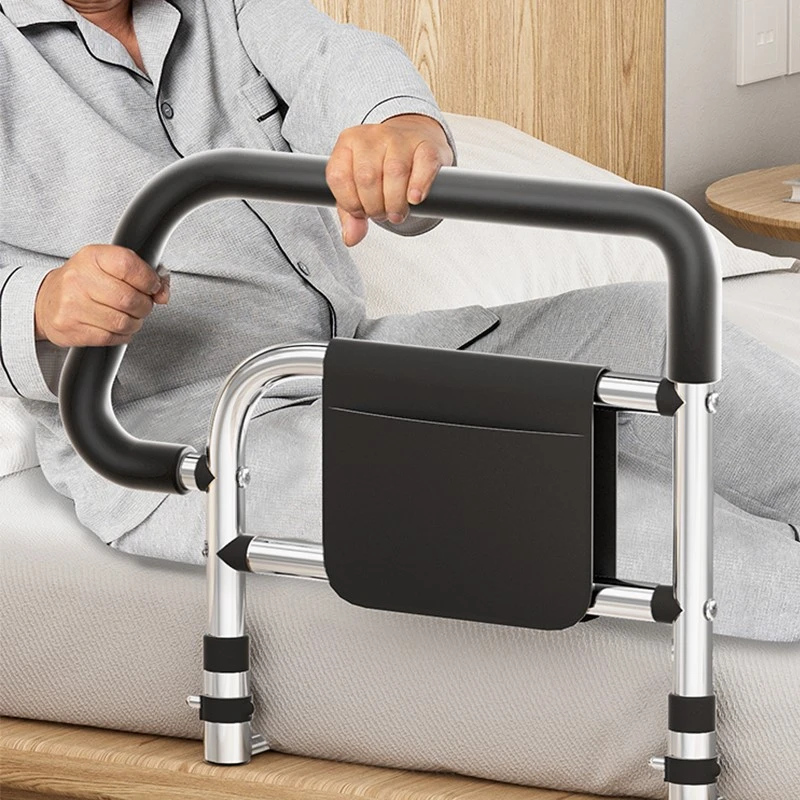
A bed rail, also known as a bed guard or safety rail, is an essential safety feature used in healthcare facilities, nursing homes, and home care to prevent patients from falling out of bed and to aid in mobility. Bed rails offer both safety and support, making them valuable for individuals with limited mobility, elderly patients, or those recovering from surgery.
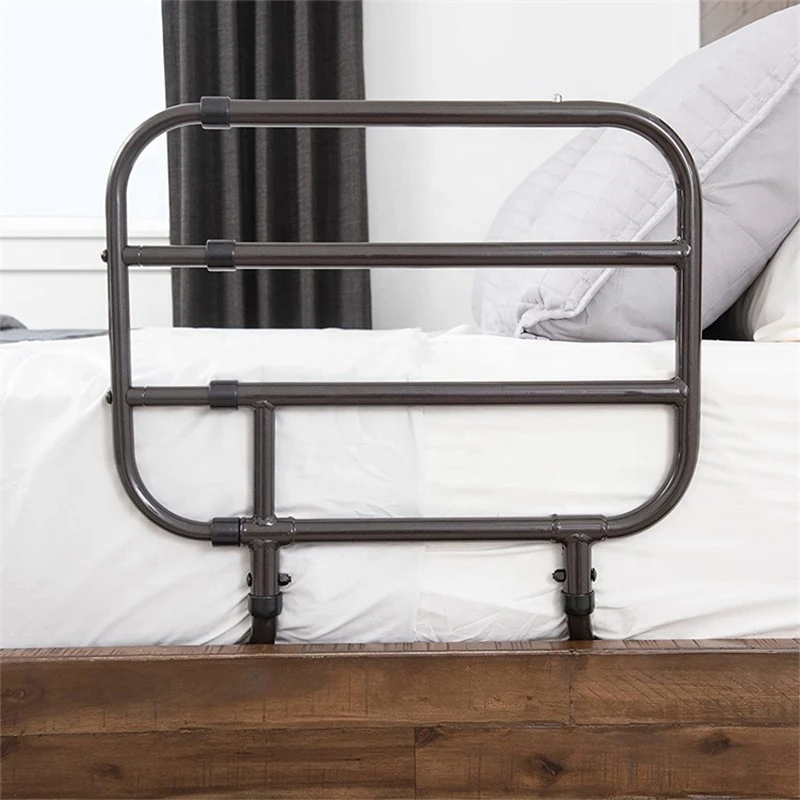
Materials of Bed Rails
- Steel
Steel bed rails are the most common and durable option, offering robust support and longevity. They are typically coated with anti-corrosion materials for extended use in healthcare settings. Steel rails can bear heavier loads and are ideal for patients requiring strong support.
- Aluminum
Aluminum bed rails are lightweight yet sturdy. These are often chosen for their ease of installation and portability, making them suitable for home care or temporary use. While not as strong as steel, aluminum rails are still reliable and easier to maneuver.
- Plastic or Composite Materials
Some bed rails are made from high-quality, heavy-duty plastic or composite materials, which are lightweight and often more comfortable to touch. These rails are typically used in pediatric or non-medical settings for patients who do not require heavy-duty support.
Types of Bed Rails
- Full-Length Bed Rails
These rails run the entire length of the bed and provide maximum protection. They are typically used for patients who are prone to rolling out of bed during sleep or those who need extensive support in repositioning themselves.
- Half-Length Bed Rails
Half-length rails cover only part of the bed, typically from the head to the middle section. They provide a balance between safety and accessibility, allowing the patient to get in and out of bed more easily while still offering support when needed.
- Fold-Down Bed Rails
These rails can be folded down or adjusted based on the patient's needs. Fold-down rails are versatile and convenient, offering safety when upright and allowing for easy bed access when folded down.
- Adjustable Bed Rails
Adjustable rails can be extended or retracted to fit different bed sizes or patient needs. They offer flexibility and can be used for various purposes, such as sitting up, repositioning, or preventing falls.
Functions of Bed Rails
- Fall Prevention
Bed rails provide a physical barrier that prevents patients from accidentally falling out of bed, particularly during sleep. This is crucial for elderly patients or those with limited mobility who are at higher risk of falls and injuries.
- Mobility Aid
Bed rails can serve as a support for patients to hold onto when they need to sit up, reposition, or get in and out of bed. This provides independence and reduces the need for assistance from caregivers, making daily movements easier and safer.
- Comfort and Reassurance
Bed rails offer patients a sense of security, knowing that they are protected from falls. For individuals who are disoriented or recovering from surgery, this added safety feature can help reduce anxiety and enhance their overall comfort.
- Caregiver Support
Bed rails also assist caregivers by minimizing the physical strain of constantly repositioning or helping patients in and out of bed. They provide a stable point of contact that caregivers can use when assisting with patient movements.
Conclusion
Bed rails are vital safety tools in both professional and home care settings, offering protection, support, and peace of mind for patients and caregivers alike. With various materials, types, and functions, bed rails can be tailored to meet specific patient needs, ensuring safety and promoting independence while reducing the risk of injury.
4. Adult Bibs
An adult bib, also known as an adult apron or clothing protector, is a practical garment designed to protect clothing from spills, stains, and food droppings for adults who may have difficulties with eating or drinking independently. These bibs are widely used in healthcare facilities, nursing homes, and home care to maintain cleanliness and dignity for individuals with limited mobility or coordination.


Materials of Adult Bibs
- Waterproof Fabrics
Many adult bibs are made from waterproof materials such as vinyl, polyurethane-coated fabrics, or plastic-backed materials. These materials are easy to wipe clean and provide excellent protection against liquids and food spills.
- Absorbent Fabrics
Some bibs use absorbent materials like terry cloth or cotton blends. These bibs are suitable for absorbing liquids and can be washed and reused multiple times. They are comfortable to wear and help keep clothing dry and clean.
- Disposable Options
Disposable adult bibs are often made from paper or non-woven materials. They are convenient for short-term use and can be discarded after meals, reducing the need for laundering.
Types of Adult Bibs
- Standard Bibs
Standard adult bibs typically cover the chest and lap area, providing basic protection during meals. They come in various designs, including tie-back closures or snap buttons for easy fastening.
- Clothing Protectors
Clothing protectors are larger bibs that provide more extensive coverage, often reaching from the neck down to the waist. They are ideal for individuals who experience more significant spills or have limited upper body control.
- Crumb Catchers
Some adult bibs feature crumb catchers or pockets at the bottom to collect food crumbs and prevent them from falling onto the floor or into the patient's lap. This design helps maintain cleanliness and reduces mess during meals.
Sizes of Adult Bibs
Adult bibs come in various sizes to accommodate different body types and coverage needs:
- Small to Medium: Typically measures around 18-24 inches wide and 24-30 inches long, suitable for most adults.
- Large to Extra Large: Measures 24-30 inches wide and 30-36 inches long, providing more coverage for larger individuals or those who need extensive protection.
Functions of Adult Bibs
- Protection Against Spills
Adult bibs protect clothing from food and beverage spills, ensuring that the wearer's attire remains clean and dry during meals.
- Maintaining Dignity
By preventing stains and spills on clothing, adult bibs help maintain the dignity and self-esteem of individuals who may feel embarrassed or frustrated by their inability to eat cleanly.
- Facilitating Independence
Adult bibs enable individuals with limited motor skills or mobility issues to eat independently without constant assistance, promoting a sense of autonomy and self-reliance.
- Ease of Care
Adult bibs are easy to clean and maintain. They can be wiped clean, machine-washed, or disposed of after use, depending on the material and type chosen.
Conclusion
Adult bibs play a crucial role in enhancing comfort and cleanliness for individuals who face challenges with eating or drinking. With a variety of materials, types, sizes, and functions available, adult bibs offer practical solutions to maintain hygiene and dignity in healthcare and home care environments. They are essential tools that contribute to improving quality of life and promoting independence for adults with special needs.
These are the some nursing care products that I'm going to talk about, hope it's useful for you.